
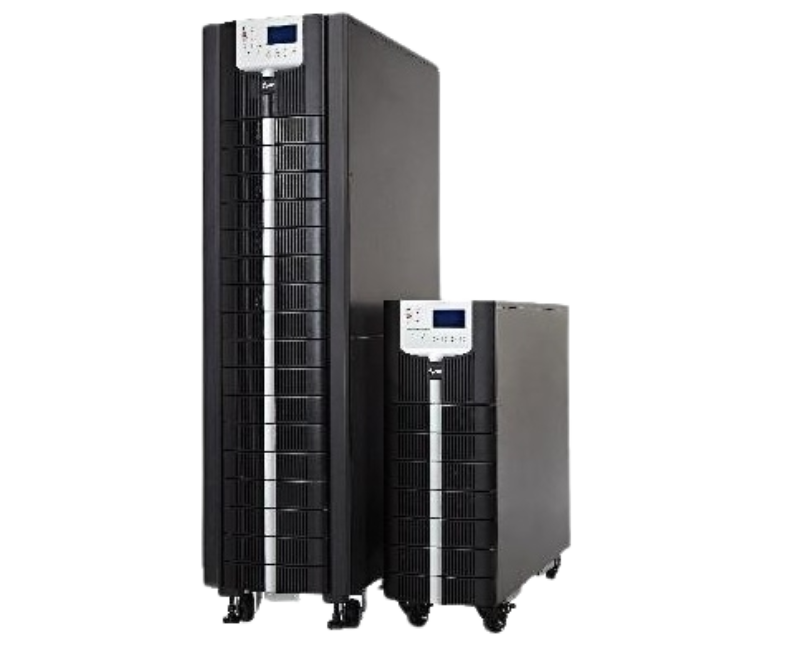



The Role of Power Generators in Maintaining Critical Infrastructure During Conflicts in the Middle East

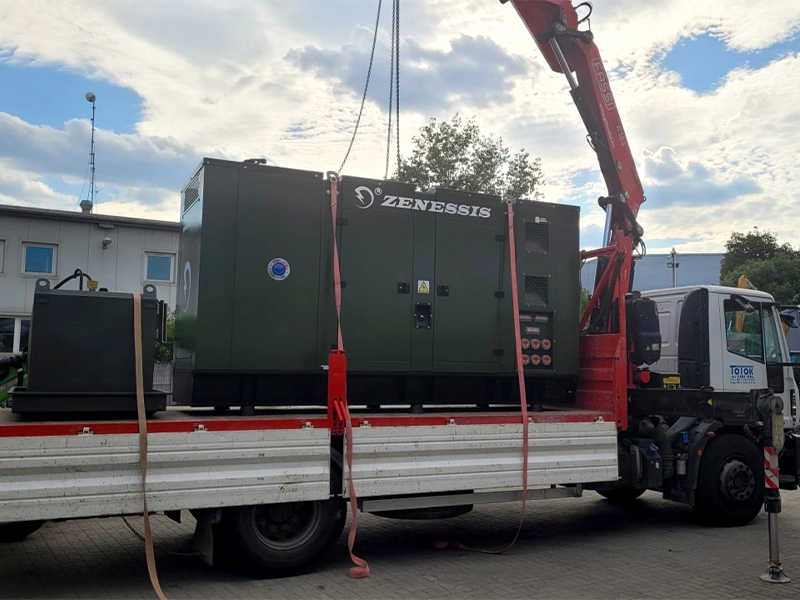
In the context of armed conflicts in the Middle East, energy infrastructure often becomes one of the first and most vulnerable targets of instability. Attacks on electrical grids, deliberate power outages, or the destruction of electricity transmission infrastructure can quickly paralyze essential services for both the population and the functioning of the state. Under such circumstances, power generators become an important component of energy resilience, ensuring the continuity of critical operations during times of crisis.
Backup Energy for Vital Infrastructure
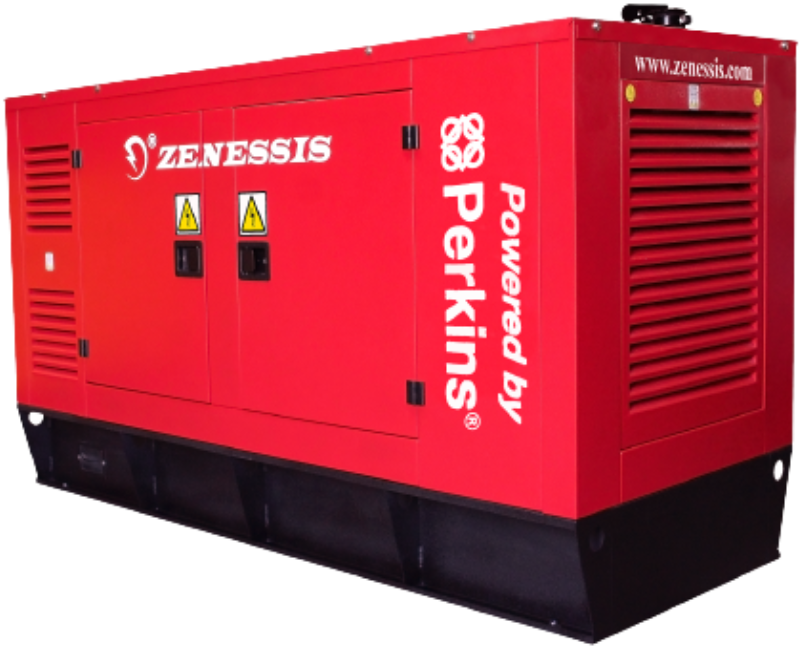
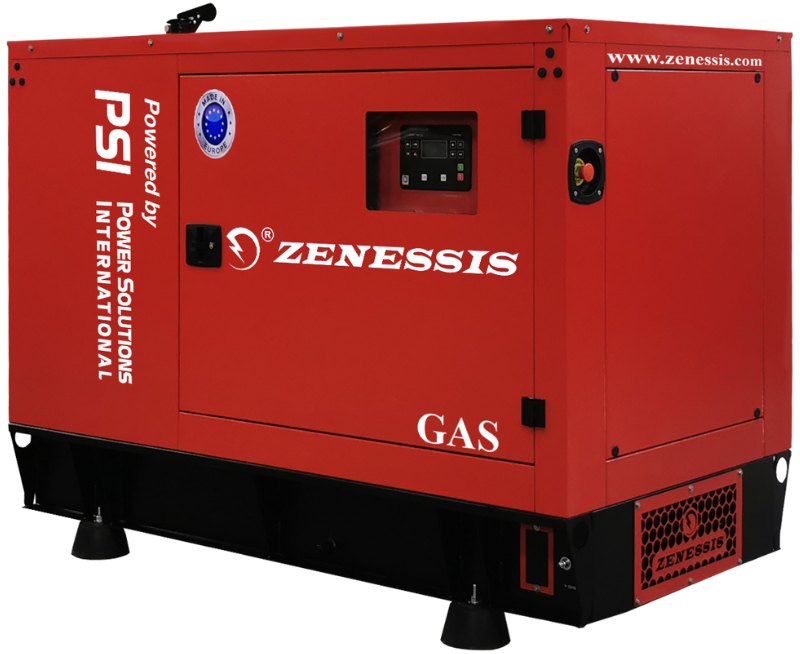
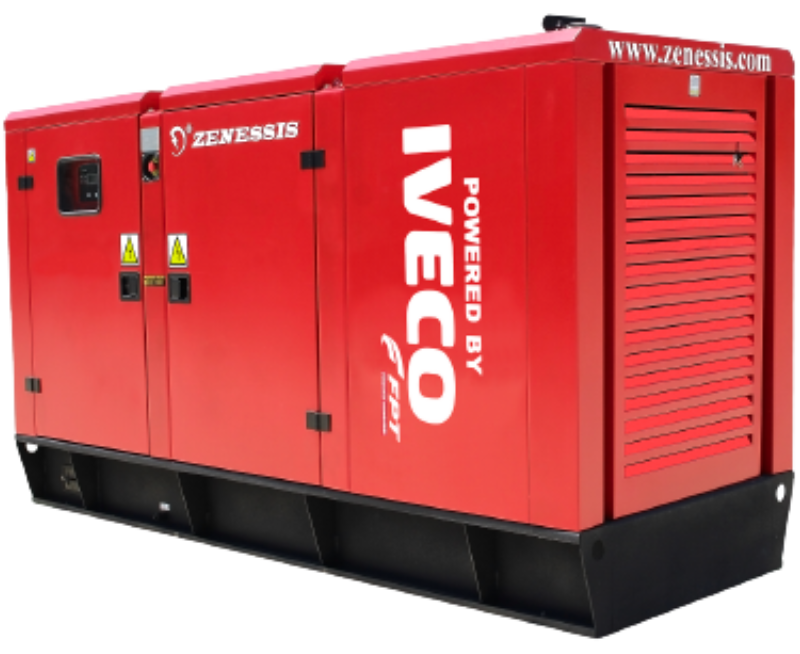
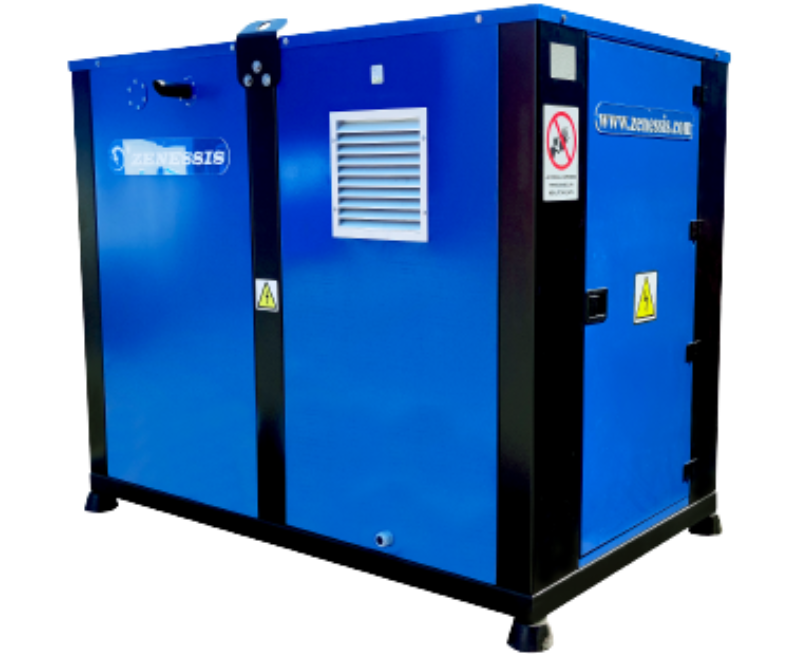
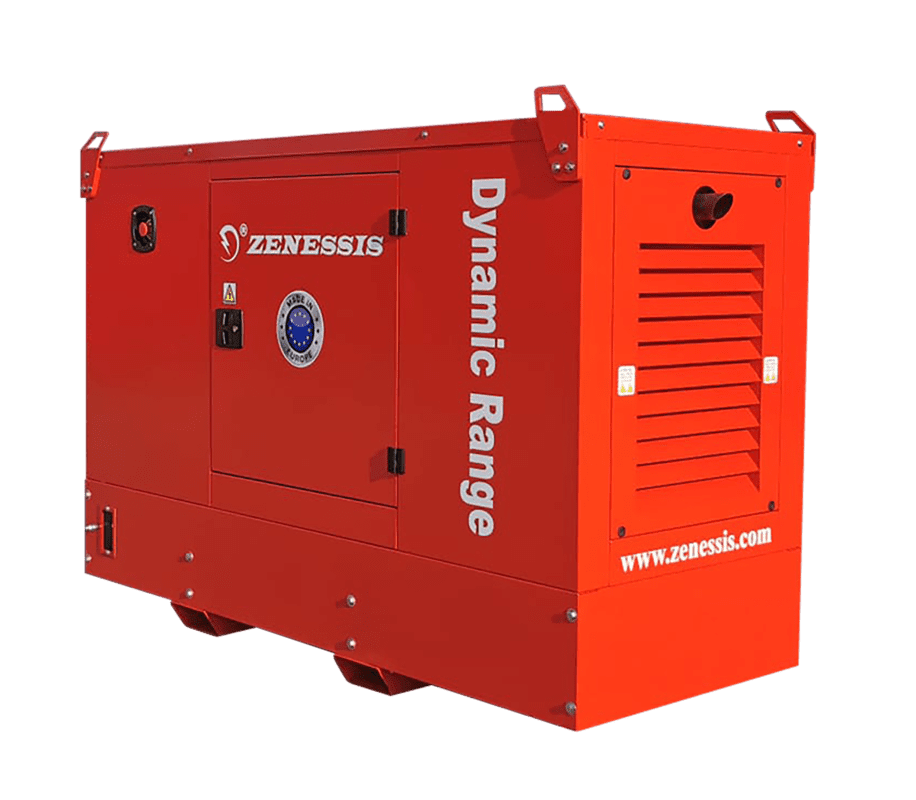
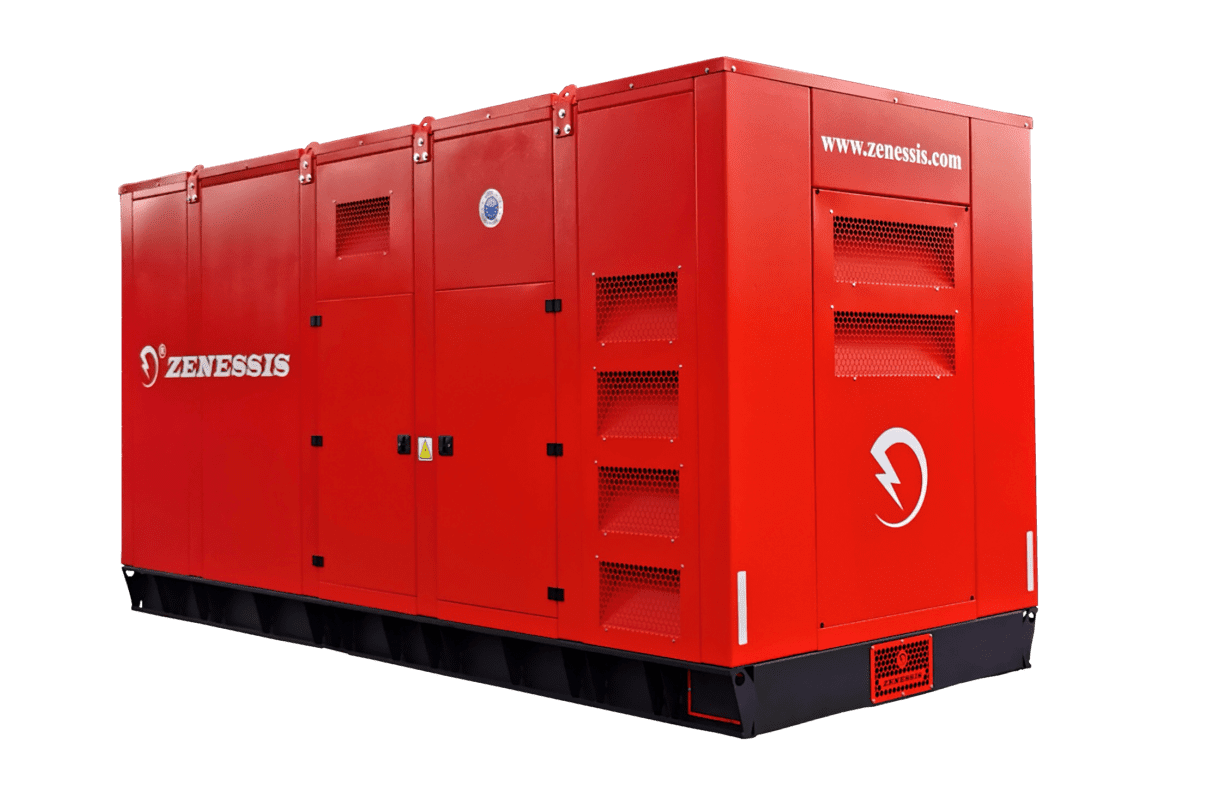
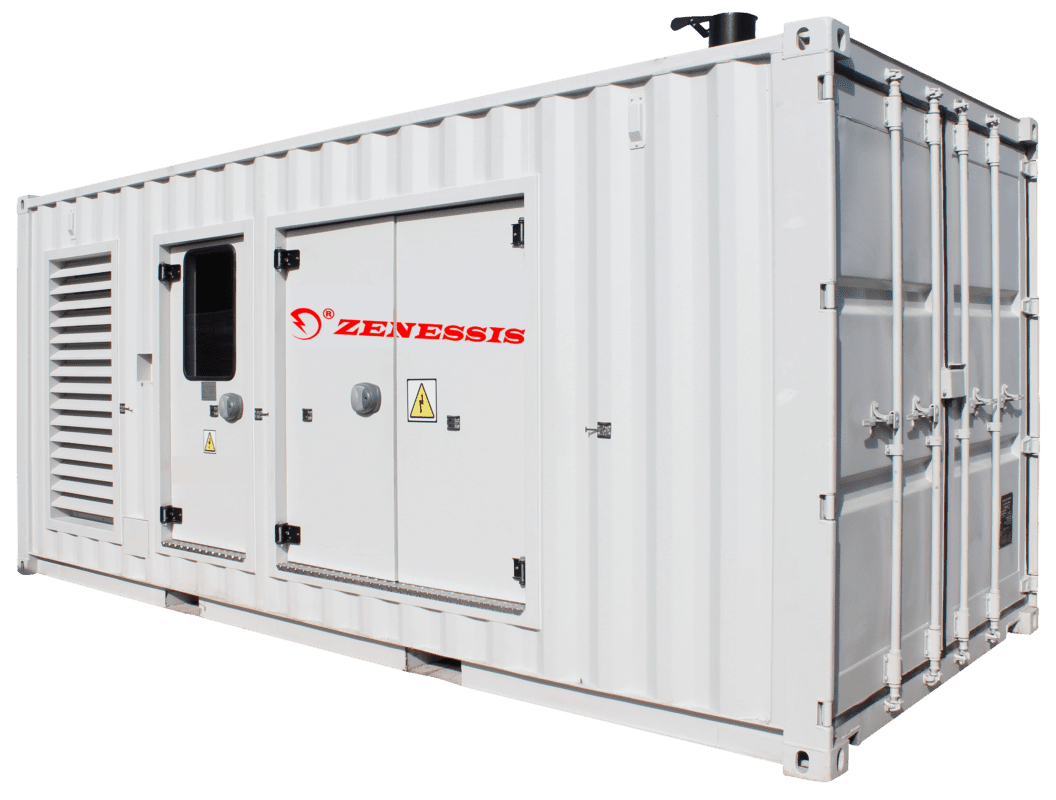
During conflicts, maintaining a reliable electricity supply is essential for the operation of infrastructures such as hospitals, military command centers, airports, water treatment facilities, telecommunications networks, and logistical warehouses. Power generators provide an independent source of energy capable of immediately taking over when the main grid is compromised.
In hospitals, for example, continuous electricity supply is vital for the operation of intensive care equipment, ventilators, medical imaging systems, and life-support infrastructure. Without reliable backup generators, power outages can directly endanger patients’ lives.
Continuity of Military and Logistical Operations
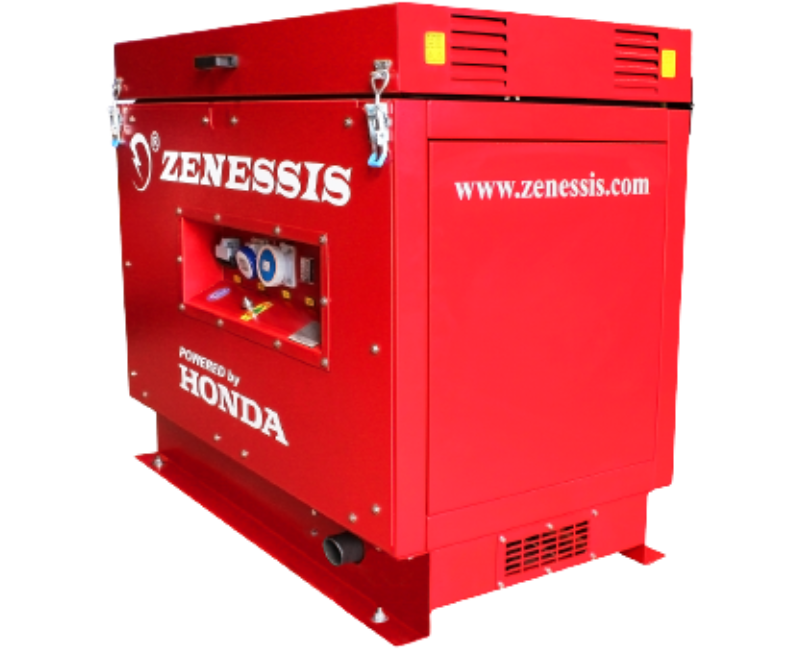
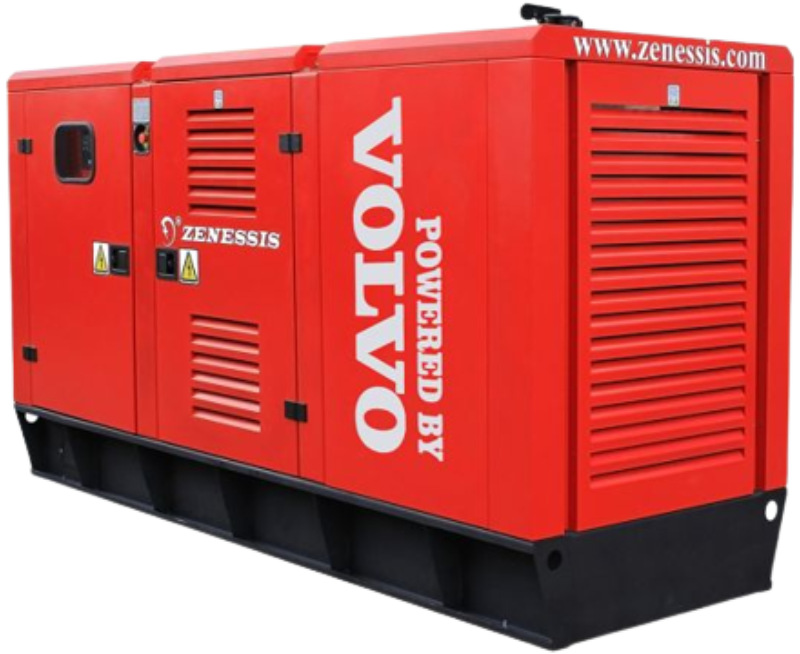
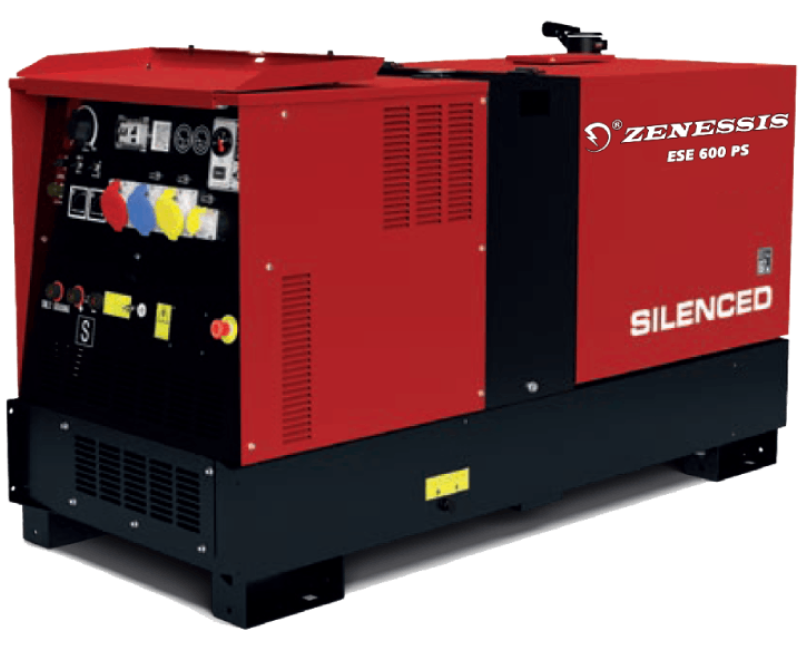
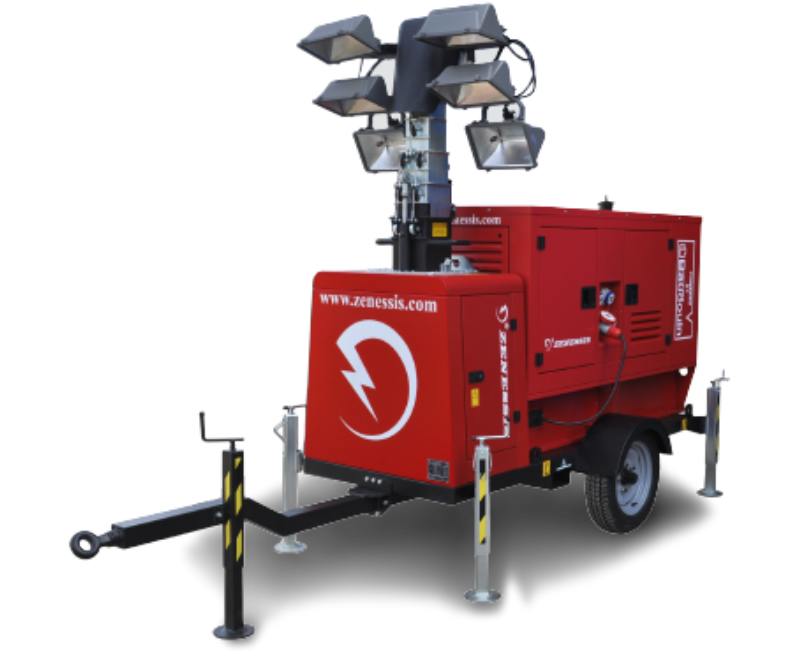
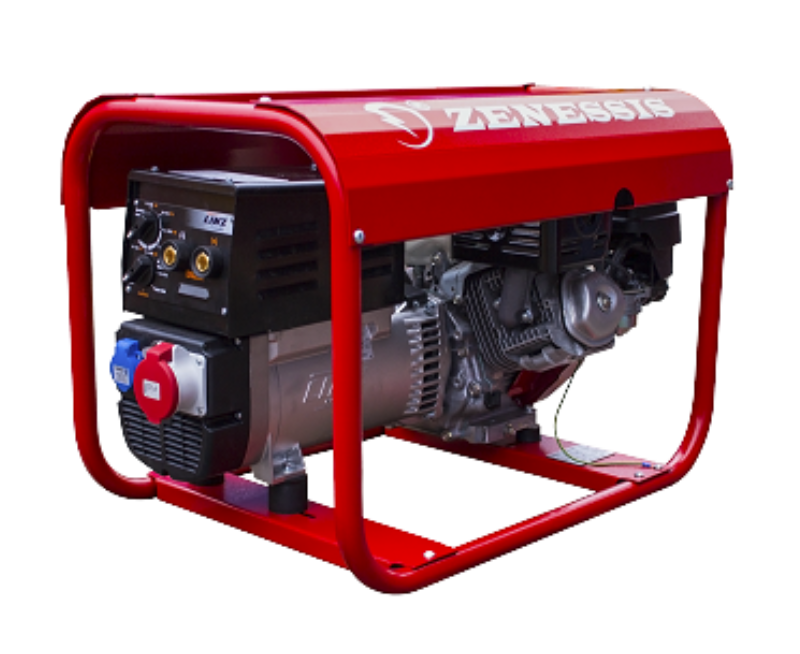
In conflict zones across the Middle East, mobility and energy autonomy are critical factors for both military and humanitarian operations. Mobile generators enable the rapid power supply of temporary bases, radar systems, communication equipment, and security infrastructure.
They are also used in logistical centers to ensure the operation of storage systems, refrigeration units, and transportation management systems. In situations where supply chains may be severely disrupted by conflict, maintaining these systems operational is essential for distributing humanitarian aid and resources.
Supporting Civilian Communities in Emergency Situations
Beyond their military or institutional role, power generators have a direct impact on civilian populations. In conflict-affected areas, they can provide electricity to refugee centers, temporary medical units, public lighting systems, and communication infrastructure.
In many cases, generators represent the only available source of electricity for entire communities, enabling access to clean water, the charging of communication devices, and the operation of basic medical equipment.
Energy Resilience and Regional Security
Recent conflicts in the region have demonstrated that energy security does not rely solely on the production and distribution of electricity, but also on the ability to maintain power supply under extreme conditions. In this regard, power generators are a determining factor in ensuring the continuity of electricity supply.
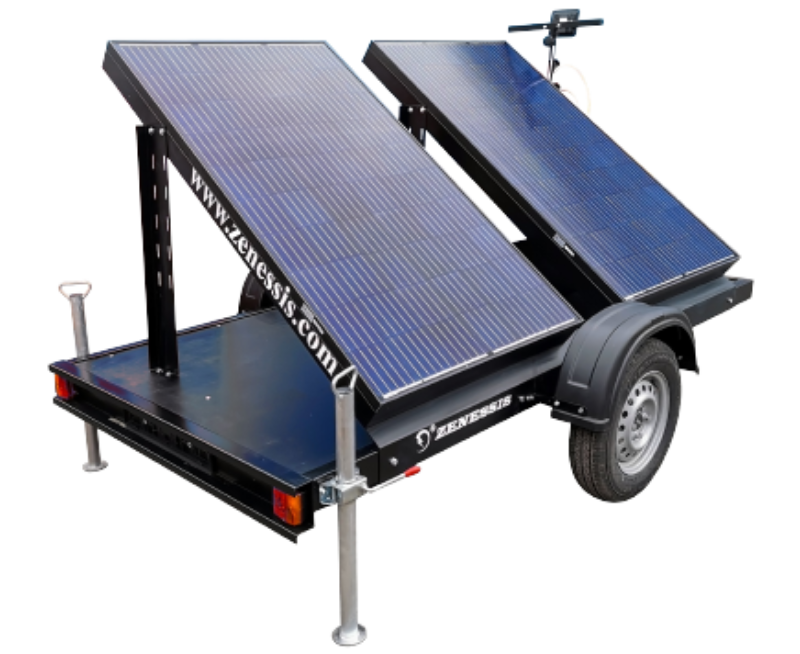
Governments, international organizations, and private companies are increasingly investing in autonomous energy generation solutions capable of operating in challenging environments with high efficiency and long-term reliability. Modern generators are designed for continuous operation, optimized fuel consumption, and adaptability to diverse operational environments.
Within the complex geopolitical landscape of the Middle East, power generators play a significant role in maintaining infrastructure stability and protecting civilian populations. They represent a practical and immediate solution for ensuring energy continuity during conflicts, supporting essential services as well as humanitarian and logistical operations. As regional instability continues to pose significant challenges, investments in independent energy generation solutions will remain a central element of energy security and energy resilience.